Phoenix, ArizonaResidential and commercialWhere we workAnswered 24 hours a day: (602) 497-0039

Mold remediation

Mold Doesn't Wait for You to Notice the Smell

Containment, removal and air scrubbing for mold that follows water intrusion in Phoenix homes and businesses. The moisture source gets fixed, not just the visible stain.

Where it comes from

Six Ways Mold Gets a Foothold in a Phoenix Building

Mold needs three things: a moisture source, an organic material to feed on, and time. In most properties we're called to, all three show up together within days of a water event nobody fully dried.

Missed moisture behind walls

Drywall and framing that look dry on the surface can still hold enough moisture inside the cavity to support growth for weeks after a leak was stopped.

Blocked AC condensate lines

A clogged drain line during a Phoenix summer keeps a ceiling cavity damp long enough for growth to establish, often before anyone notices a stain.

Under sink and appliance leaks

Leaks behind cabinets and appliances sit in enclosed, dark spaces with limited airflow, which is close to ideal growing conditions.

Monsoon roof and window intrusion

Wind driven rain finds gaps around flashing and window seals that never leak in a light rain, then sits inside the wall cavity.

Bathrooms without real ventilation

Showers with a weak or broken exhaust fan push humidity into surrounding drywall and grout, day after day, until it has somewhere to go.

A prior loss that wasn't fully dried

Water damage that got mopped up instead of properly dried and monitored is one of the most common causes of the mold calls we get.

How remediation works

Containment First, Then Removal

Mold spores travel on air currents, so the first step on any job is containment. Plastic sheeting and negative air pressure keep spores from spreading into rooms that were not affected while the work is underway.

From there, affected materials get assessed for whether they can be cleaned or need to come out. Porous material like drywall and insulation that has been colonized usually cannot be fully cleaned, so it gets cut back to clean material and removed. Non-porous surfaces are cleaned and treated in place.

  • Containment and negative air. Plastic barriers and HEPA filtered air scrubbers keep spores from moving into the rest of the building during the work.
  • Source correction. Removing mold without fixing the moisture behind it is a temporary fix. The source gets found and addressed before a job closes out.
  • Removal of unsalvageable material. Colonized porous material is cut back to clean material and removed, not painted over or sprayed and left in place.
  • Post remediation verification. The area gets inspected after cleanup so you have a record the work is complete, useful for your own files or for an insurance carrier.
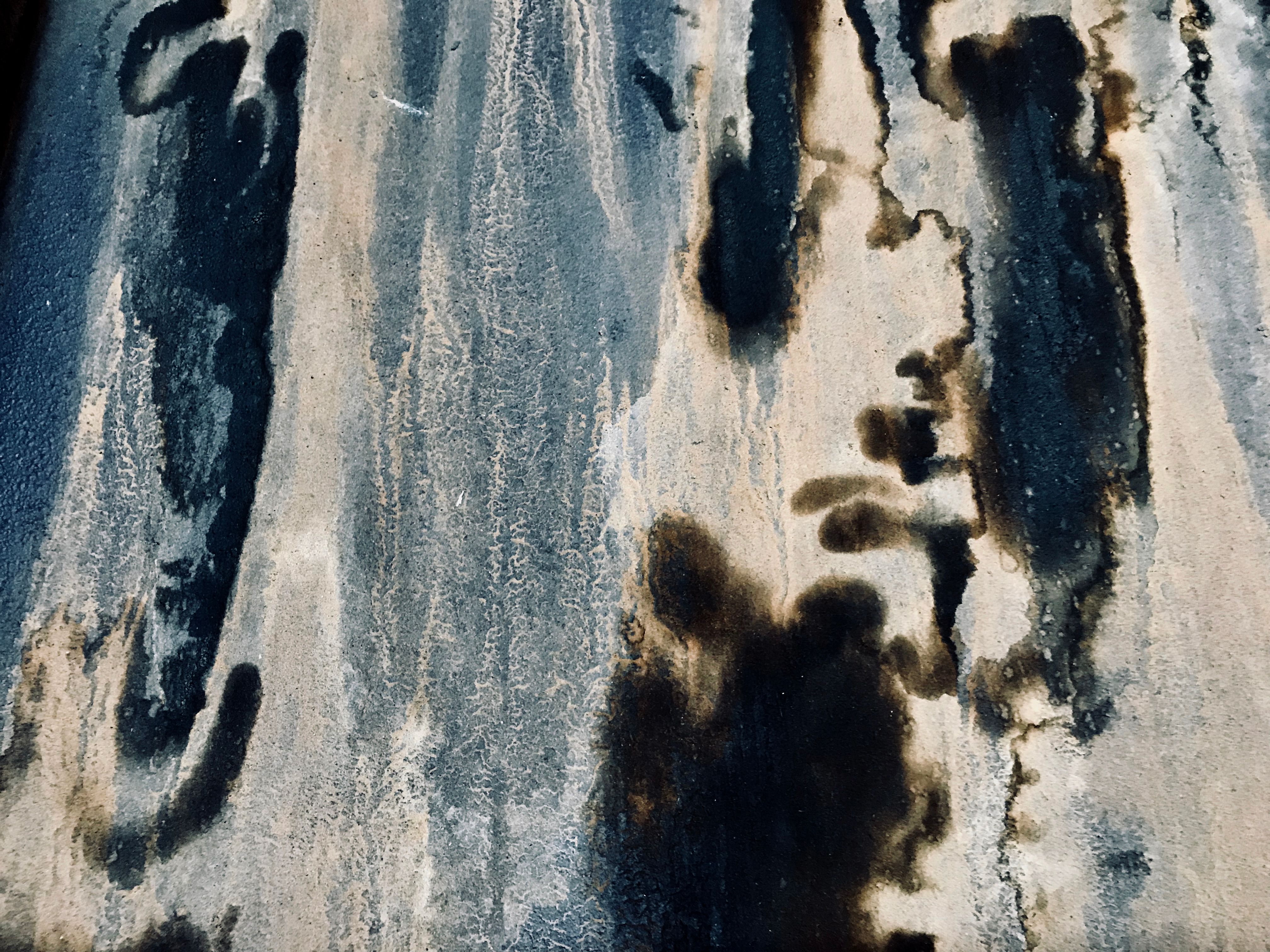
Mold growth on an interior wall following moisture intrusion

Common questions

What Property Owners Ask Us About Mold

How fast does mold actually grow after water damage?

In the right conditions, visible growth can begin in as little as 24 to 48 hours on paper faced drywall and other easy to colonize materials. That is the main reason we push for fast extraction and drying rather than waiting to see if a wet area dries on its own.

Can I just clean it myself with bleach?

On small, hard, non-porous surfaces, light surface mold can sometimes be wiped down. Once it is established in drywall, insulation or framing, bleach mostly whitens the surface without addressing what has grown into the material, and it does nothing about the moisture source.

Do I need a mold test before remediation starts?

Not always. If growth is visible and the moisture source is identified, testing often just confirms what is already obvious. Testing is more useful for hidden suspected growth, post remediation clearance, or when a third party needs documented lab results.

Will my homeowners insurance cover mold remediation?

It depends on your policy and what caused the mold. Coverage is more likely when mold follows a sudden, covered water loss like a burst pipe, and less likely when it results from long term neglect or unaddressed humidity. We document cause and scope so you and your adjuster have what's needed either way.

If you can see or smell mold and there is an active moisture source nearby, the useful first step is finding and stopping that source, then calling before more material is affected.

Caught Early, Mold Is a Much Smaller Job

Free on site evaluation across the Phoenix Valley, with the phone answered around the clock. Related reading: water damage restoration, flood and emergency cleanup, commercial water damage and the city we cover nearest you.